How to Track Calories for Real Life
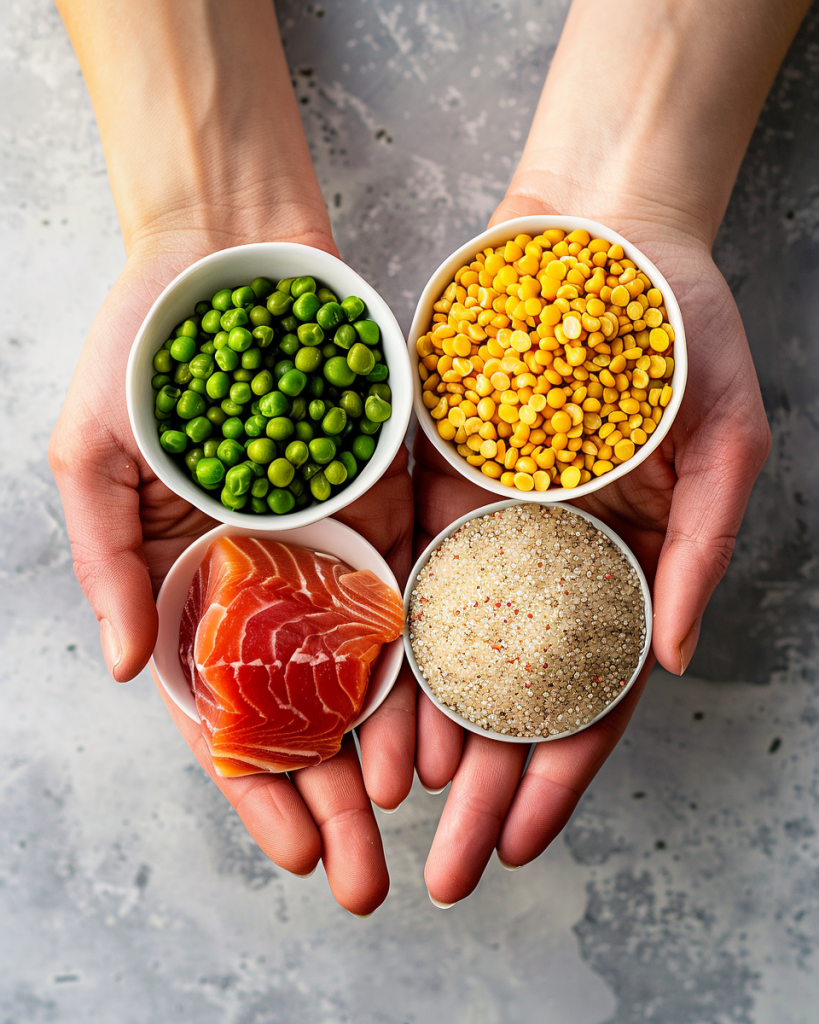
A lot of people try calorie tracking the same way.
They start strong for a few days. Then life happens. A birthday. A dinner out. A work lunch. A weekend where you are in the car all day. By Monday you feel like you “blew it,” so you stop tracking.
But the problem is not that calories do not matter. The problem is that most people think tracking has to be perfect to be useful and it really does not have to be.
Let’s keep the simple truth that calories in vs calories out matters, and then try a simpler approach that you can follow.
Calories Are Simple, Humans Are Not
When people argue about calories, they are usually talking past each other.
One side is right: if you consistently eat fewer calories than you burn, body weight tends to trend down over time. If you consistently eat more, it trends up.
But the other side is also right: it is not equally easy for everyone to control that equation, and it is not always easy to measure.
Here are five reasons that “just track your calories” can be simple for some people, and a nightmare for others.
1) Food is comfort
For a lot of adults, food is not only hunger, it is a stress relief. Long day, little sleep, kids finally down, and the kitchen is quiet. That is prime time for snack mode. Research suggests chronic stress can increase cravings and intake of palatable, energy-dense foods. (Chao et al.)
2) Food labels can be misleading
Even if you track, you are tracking estimates. Serving sizes can be weird, and packaged food labels can have a real margin of error. One study measured the “true” caloric content of popular snack foods and found label calorie accuracy was variable, with serving-size and carbohydrate inaccuracies contributing to mismatch. (Jumpertz et al.)
3) Restaurant and takeout calories are a guessing game
Cooking at home makes calories easier. Eating out makes it harder, because portions are bigger, recipes vary, and oils and sauces add up fast. Research on menu labeling and consumer estimates suggests people often misestimate calories purchased, and accuracy varies by subgroup. (Taksler et al.)
4) Sleep changes appetite
When sleep is short, hunger tends to go up and “snacky food” looks way more appealing. People usually blame discipline when the real issue is exhaustion. In a controlled study of sleep restriction, short sleep was associated with decreased leptin, increased ghrelin, and increased hunger and appetite. (Spiegel et al.)
5) Daily movement varies more than people think
Some people naturally move a ton without realizing it. Others sit most of the day, then feel wiped, and do not move much outside the gym. NEAT, basically your background movement, can vary a lot between people and can change with overfeeding and underfeeding. (Levine)
So yes, calories matter, and also yes, the difficulty level is different person to person.
Low Stress Tracking Strategies
Pick one of these to start. DO NOT try to do all of them at once.
Method 1: Track one meal per day
This is the lowest-friction option.
Choose the meal you have the most control over, usually breakfast or lunch, and keep it consistent Monday through Friday. You can track it once, save it, and repeat it.
This works because it removes a lot of daily decision fatigue, and it trims down the random extras that sneak in.
Method 2: Use the plate method at dinner
At most dinners:
- Half the plate: veggies or fruit
- Quarter of the plate: protein
- Quarter of the plate: carbs
- Add a small amount of fat for taste and satisfaction
This is a easy plan to keep portions reasonable without using an app.
Method 3: Use hand portions for 10 days
This is one of the most shared version of tracking without an app.
Per meal, start here:
- Protein: 1 to 2 palms
- Carbs: 1 to 2 cupped hands
- Fats: 1 to 2 thumbs
- Veggies: 1 to 2 fists
Do this for 10 days and pay attention to consistency. After the 10 days, you adjust one thing at a time, usually carbs or fats.
Method 4: Track only protein, and let the rest follow
If tracking everything makes you spiral, track one thing that tends to help the whole day.
In a higher-protein energy-restriction study, increasing protein improved hunger, fullness, and some cravings, even though it did not automatically reduce free-living intake from highly palatable foods. (Gwin et al.)
A simple starting point:
- Protein at 2 to 4 meals per day
- Aim for a solid protein portion each time
How long until you can stop tracking and just eat normally?
The goal is to track habits you can maintain without constant measuring. A realistic timeline looks like this:
Weeks 1–2: Awareness
You are learning your patterns.
- Use one of the suggested calorie tracking methods
- Collecting data on yourself
Weeks 3–6: Consistency
You repeat successful meals more often and portions get consistent.
- Track 3 to 4 days per week
Weeks 7–12: Habit
You have found routine that works.
- You do not need to track daily
- If life gets hectic get back to your tracking, and then go back to auto-pilot
One extra note that helps people feel seen: after significant weight loss, some people experience persistent metabolic adaptation, meaning resting metabolic rate can remain lower than predicted even years later in some cases. (Fothergill et al.) This does not mean fat loss is impossible. It means the strategy has to be more consistent, and sometimes more patient.
The Long Game
Calories count. You do not have to count them forever.
If tracking has blown up on you before, it probably was not a motivation problem. It was a setup problem. The plan asked you to be perfect in a life that is busy, unpredictable, and sometimes held together with drive-thru receipts and a prayer.
So aim for “close enough” on repeat. Build a few defaults you can stick to, and let the weeks do the heavy lifting. Consistency is what changes your results, not one flawless day.
References
Chao, Ariana M., et al. “Stress, Cortisol, and Other Appetite-Related Hormones: Prospective Prediction of 6-Month Changes in Food Cravings and Weight.” Physiology & Behavior, vol. 175, 2017, pp. 50–56. PubMed Central, doi:10.1016/j.physbeh.2017.03.020. Accessed 23 Feb. 2026.
Fothergill, Erica, et al. “Persistent Metabolic Adaptation 6 Years after ‘The Biggest Loser’ Competition.” Obesity (Silver Spring), vol. 24, no. 8, 2016, pp. 1612–1619. PubMed, doi:10.1002/oby.21538. Accessed 23 Feb. 2026.
Gwin, Jessica A., et al. “Increased Protein Consumption during the Day from an Energy-Restricted Diet Augments Satiety but Does Not Reduce Daily Fat or Carbohydrate Intake on a Free-Living Test Day in Overweight Women.” Nutrients, vol. 9, no. 10, 2017, article 1063. PubMed Central, doi:10.3390/nu9101063. Accessed 23 Feb. 2026.
Jumpertz, Robin, et al. “Food Label Accuracy of Common Snack Foods.” Obesity (Silver Spring), vol. 21, no. 1, 2013, pp. 164–169. PubMed Central, doi:10.1002/oby.20185. Accessed 23 Feb. 2026.
Levine, James A. “Non-Exercise Activity Thermogenesis (NEAT).” Best Practice & Research Clinical Endocrinology & Metabolism, vol. 16, no. 4, 2002, pp. 679–702. PubMed, doi:10.1053/beem.2002.0214. Accessed 23 Feb. 2026.
Spiegel, Karine, et al. “Brief Communication: Sleep Curtailment in Healthy Young Men Is Associated with Decreased Leptin Levels, Elevated Ghrelin Levels, and Increased Hunger and Appetite.” Annals of Internal Medicine, vol. 141, no. 11, 2004, pp. 846–850. PubMed, doi:10.7326/0003-4819-141-11-200412070-00008. Accessed 23 Feb. 2026.
Taksler, Glen B., et al. “Calorie Labeling and Consumer Estimation of Calories Purchased.” International Journal of Behavioral Nutrition and Physical Activity, vol. 11, 2014, article 91. PubMed Central, doi:10.1186/s12966-014-0091-2. Accessed 23 Feb. 2026.